First help skills are just useful when exercised till basic first aid course they end up being automated. In Jandakot, where airport website traffic, light commercial parks, and suv communities sit cheek by jowl, the requirement for competent, practiced responders is genuine. This short article describes what efficient first aid training looks like below, with a concentrate on hands-on method and extensive assessment. It is composed for work environment security policemans, small business owners, community group leaders, and anyone taking into consideration a first aid course in Jandakot that intends to understand just how to choose a program that delivers practical proficiency instead of a certificate that gathers dust.
Why method matters
Being taught the actions for CPR or haemorrhage control is different from having the ability to execute them under pressure. I have actually seen students who knew the book sequence but iced up when a fellow trainee simulated collapse and vomit. Practice hardens the motor skills of breast compressions, the judgment calls regarding when to reposition an air passage, and the confidence to lead by voice when others panic. In Jandakot offices-- packing bays, construction backyards, airport terminal solution facilities-- cases frequently happen where there is no expert clinical -responder for 10 to 20 mins. The very first five mins form results. Hands-on training reduces that time to effective intervention.
What a solid Jandakot first aid course looks like
A durable first aid course in Jandakot prioritises active discovering over easy lecture. You must expect a mix of brief, focused input from a trainer adhered to quickly by sensible stations where trainees revolve with realistic circumstances. Here are core attributes to look for.
- Low student-to-instructor ratio. Classes of 8 to 12 per teacher allow significant guidance of everyone's compressions, bandaging, and airway management. Repetition with feedback. Students execute CPR cycles, using manikins that give instant feedback on deepness and rate, then repeat with instructor correction. Scenario complexity that enhances. Begin with single-issue simulations like fainting, after that relocate to consolidated occurrences such as a chemical splatter adhered to by respiratory tract compromise. Use of authentic devices. Training needs to include an automatic outside defibrillator, tourniquets, oxygen treatment where appropriate, and real first aid packages configured like those pupils will certainly use on the job. Formal assessment that mirrors genuine tasks. Analysis needs to be functional and criterion-based, not a multiple-choice examination alone.
If you search for first aid training Jandakot or first aid course Jandakot, ask carriers whether they run sessions that match those standards. Courses that call themselves first aid and CPR Jandakot or first aid and cpr course Jandakot should include both cognitive discovering and hands-on assessments.
Typical course formats and timeframes
Course size varies by certification. A standard office system such as Supply First Aid (HLTAID011 or its existing equivalent) commonly runs over one full day, around 8 hours face-to-face. A combined Provide First Aid and CPR course could be a full day plus a shorter follow-up for the CPR skills inspect. A CPR course Jandakot or cpr course Jandakot can be a stand-alone three-hour session when the work only requires basic resuscitation skills.
Refresher courses often tend to be much shorter but denser, usually four hours for a cpr correspondence course Jandakot where the emphasis gets on revalidating compressions and AED usage. Remember official credentials frequently call for renewal every 12 to 36 months depending on the regulator and the certain qualification. Companies frequently anticipate a first aid certificate Jandakot that stands and current.
Practical terminals you should experience
Good training splits the useful day into unique terminals so trainees obtain several repetitions of particular skills. A reasonable collection of stations includes air passage and breathing analysis and administration, CPR and AED practice, shock and flow administration, arm or leg injuries and splinting, and bleeding control consisting of pressure dressings and tourniquet use. Scenario-based terminals should put those skills together.
One element often https://trentonhyra356.theglensecret.com/cpr-course-jandakot-what-to-expect-and-how-to-register underused is ecological realism. As an example, technique CPR on the flooring as opposed to a training table, present noise and spectator interference to imitate a disorderly work environment, and make use of moulage to develop reasonable wounds. In one training session at a light commercial site near Jandakot Airport terminal I attended, students needed to lug an unconscious person from behind a pallet pile and perform CPR close to a rumbling forklift. It was uneasy, yet it instructed sensible troubles-- uncomfortable positioning, preserving compression high quality while staying clear of debris, and interacting with associates to clear space.
Assessment that shows competence
Assessment needs to be competency-based and visible. A reliable analysis design breaks down required jobs into discrete skills with evident outcomes. For Offer First Aid, assessors normally search for the capability to carry out CPR correctly for 2 minutes, show reliable AED pad placement and shock delivery, control significant exterior bleeding with proper application of stress and dressings, and manage an air passage consisting of recovery position methods where appropriate.
Assessments ought to consist of a minimum of 2 reasonable scenarios that require integrated choice making. One scenario might be a solitary grown-up collapse needing resuscitation and AED usage. A 2nd situation could entail a conscious individual with a deep, bleeding limb injury and indicators of shock. Both circumstances permit assessors to review core skills and communication.
A functional evaluation checklist should cover both psychomotor skills and non-technical abilities: leadership, scene security assessment, calling for assistance, and clear handover to getting here emergency situation solutions. Where possible, the assessor ought to utilize failure-to-pass requirements that specify. For example, a trainee that constantly performs compressions less than 4 centimetres deep (or outside the present guideline variety) need to be offered organized responses and the opportunity to remediate prior to falling short the unit.
What technology assists and what it can not replace
Feedback manikins have changed CPR training. Modern manikins gauge compression depth, price, and recoil, and supply immediate aesthetic or auditory signs. They are important for learning correct technique. Simulated AED instructors imitate pad positioning and shock delivery without providing an actual shock, which permits duplicated practice. Video playback of a trainee's efficiency is an additional useful tool; seeing on your own perform compressions commonly increases correction.
Technology is an amplifier, not a substitute. It can not resemble the appearance of a torn ligament, the unpredictability of a vomiting individual, or the smell and tension that go along with an actual incident. Those components are the factor real-time role-play and improvisation remain core to high quality training.
Choosing a supplier in Jandakot
Selecting a first aid professional Jandakot comes down to three aspects: curriculum placement with national criteria, teacher experience, and exactly how the supplier runs useful sessions.
First, check that the course maps to the current across the country acknowledged proficiencies if you need an official certificate. Several listings make use of terms like first aid course in Jandakot or first aid courses in Jandakot; confirm which units of expertise are being taught.
Second, satisfy the trainers. Ask about their practical background. An instructor that has actually shifted between dealing with emergency rescues, training in industrial initial response, and supplying neighborhood CPR sessions will certainly have a richer toolkit than somebody who only has classroom training experience. Instructors that include personal area stories aid make circumstances sensible without jeopardising privacy.
Third, evaluate exactly how method is structured. Can you go through the class schedule? Exist station turnings, how much time is each practice block, and what equipment is made use of? If the trainer can not plainly define their analysis procedure and re-sit policy, be cautious.
Preparing your team prior to the course
A little pre-course prep work boosts results drastically. Ask individuals to review any type of pre-course materials, enjoy a brief CPR strategy video, and feature comfortable clothing that allows floor technique. Organisers needs to make certain participants complete any needed clinical statements and divulge conditions that might influence their capacity to participate physically. For offices, notify personnel about the demand to practice substitute hefty training safely; if a person has a back issue, intend an adapted function that still methods decision-making and delegation.
When an employer sends out a team for first aid courses Jandakot, take into consideration staggering individuals so not all skilled people are absent at the exact same time, and maintain records of who finished which devices and when renewal schedules. An easy spread sheet with names, course type, date, and certificate expiration ends up being very useful during inspections.
Common weak points to view for
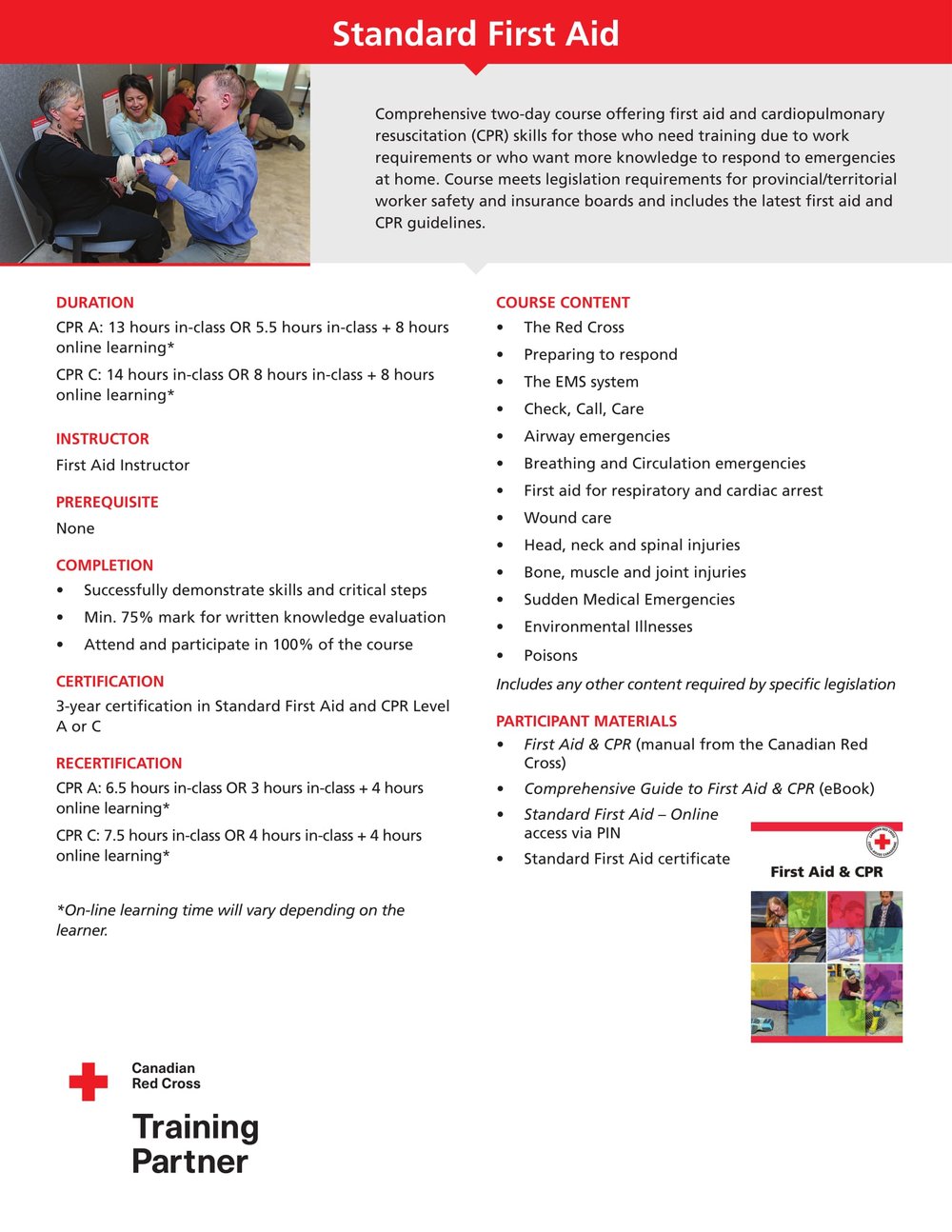
Some courses rely also heavily on theory and offer little functional time. Other regular issues include jammed classes where instructors can not offer meaningful rehabilitative comments, and the use of out-of-date guidelines or devices. I when investigated a work environment first aid program where trainees spent six hours listening to slides and just 15 mins on CPR practice. That is not acceptable for a work environment that may anticipate those personnel to reply to a collapse.
Another concern is shallow assessment. If certifications are issued after a multiple-choice examination without any sensible assessment, the certificate indicates very little. Similarly, courses that do not examine the quality of compressions with feedback manikins are missing a vital step.
Recovery and psychological preparedness
First aid training that stops at abilities threats leaving -responders not really prepared for the psychological aftermath. Individuals who carry out CPR in an office setup often experience distress after that. Great courses include a quick module on mental first aid for responders, what to expect psychologically, and just how to accessibility support or debrief with associates. Easy practices such as a brief team debrief, contact information for employee assistance programs, and normalising psychological reactions substantially minimize longer-term stress.
Specialised training: past the basics
Some offices call for modules beyond the basic supply first aid device. Remote sites and markets in Jandakot with certain hazards might gain from advanced injury life support principles, oxygen administration recommendations, or training in responding to chemical exposures. Where a first aid course Jandakot markets industry-specific components, request for information about useful drills and tools. As an example, a workshop handling solvents need to consist of substitute chemical dashes with appropriate decontamination procedures.
Refresher strategy and retention
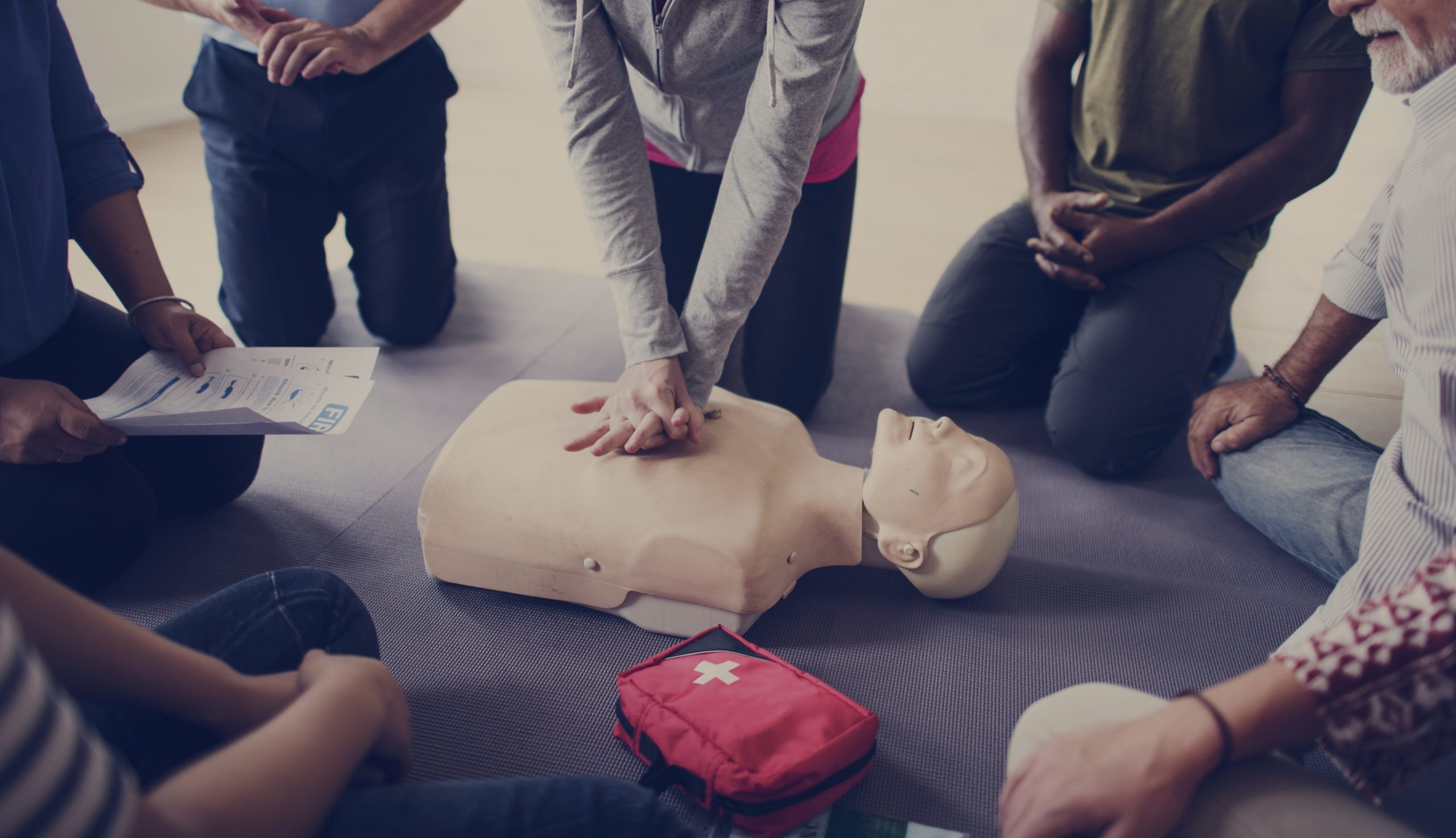
Skills degeneration is genuine. Hands-on skills like CPR compressions degrade over months if not exercised. A sensible retention approach blends formal correspondence course with short work environment drills. For instance, run a 15-minute team drill month-to-month where a different person acts as the -responder and others play onlookers. Every three to six months, conduct a 30 to 60-minute abilities session utilizing manikins to practice compressions and AED pad positioning. Then schedule a formal correspondence course every 12 to 24 months, depending upon the certification and work environment risk profile.
I suggest companies gauge skills as opposed to attendance. Instead of simply taping that team attended a refresher, carry out a brief observed skills examine and record the outcomes. This method keeps ability degrees truthful and recognizes individuals who require added support.
Costs and value
Prices for first aid and CPR Jandakot differ based upon class dimension, equipment, and whether the service provider provides on-site. Expect a single-day HLTAID011-style course to variety widely; smaller sized courses with high-quality tools and low ratios justify higher fees due to the fact that they produce much better outcomes. Think of training as an investment in threat reduction. The cost of a well-run functional program is tiny compared to the potential expenses of work environment injury, governing charges, or the human price of poor response.
Anecdote that clears up the distinction practice makes
During a multi-site training program I supplied for an aviation maintenance specialist, one trainee later on made use of skills from that day to save a coworker that had a cardiac arrest in the workshop. Because the student had actually exercised two-minute CPR cycles with real-time responses, he kept high-grade compressions until the paramedics got here. That case highlighted a clear fact: ability quality, not merely having a certificate, shapes end results. The trainee informed me afterwards that the repeated practice and the stress and anxiety of substitute noisy atmospheres made the real occasion "much less scary and extra step-by-step," which is an accurate description of preparedness.
Questions to ask prior to you sign up
When assessing providers in Jandakot, ask these sensible questions: The number of pupils per trainer? What manikins and AED fitness instructors do you make use of? Are scenarios sensible and do they include moulage? Is evaluation useful and observed? What is your re-sit and remediation plan? Can you run on-site sessions using our actual first aid kits and workplace format? Answers to these inquiries expose whether a service provider focuses on capability or compliance.
Final functional checklist
- confirm the course maps to the identified devices you need, such as give initial aid verify reduced student-instructor proportions and using responses manikins ask for information on sensible situations, evaluation methods, and re-sit policies plan workplace refresher courses and short monthly drills to preserve skills ensure psychological debrief and assistance treatments are covered
Where to look locally
Search terms like first aid course Jandakot, jandakot first aid course, and cpr training Jandakot will certainly emerge regional service providers. See their properties, review their tools, and ask to attend a portion of a course ideally. Area centres, registered training organisations, and purpose-built first aid training centres all operate around Jandakot. Compare not just cost however the depth of method and assessment.
If you take care of an office, straighten your training routine with operational demands and maintain certifications and evaluation records centralised. If you reserve as a specific, select a session that prioritises functional repeating and offers you accessibility to feedback devices.
Practical next steps for organisers
Book a website see by the instructor so they can tailor situations to your office risks. Supply a list of typical cases you foresee on-site. Make certain individuals use apparel ideal for flooring job which any kind of physical limitations are divulged ahead of class. Set up a brief debrief after real-time occurrences so skilled team can go over obstacles and determine training gaps.
Getting it right
The distinction in between first aid training that produces efficiency and training that just problems documents boils down to one aspect: purposeful practice with purposeful comments. In Jandakot, where time to expert assistance can be determined in mins that matter, the neighborhood take advantage of training created around practical method, strong evaluation, and recurring maintenance. Select a provider that understands that, need hands-on hours, and build a workplace routine that keeps abilities sharp. The next time a collapse happens, those mins will count.